Global oil markets have always been a theater of absurdity—where geopolitical tensions, cartel decisions, and speculative trading dictate the price of a commodity that fuels everyday life. In 2026, the drama has intensified. Crude prices are climbing again, and the Philippines, a nation almost entirely dependent on imported oil, is caught in the crossfire.
This isn’t just about barrels and charts. It’s about inflation, the peso’s weakness, the stock market’s volatility, and ultimately, the shrinking purchasing power of Filipino households.
Oil Prices and the Peso: A Domino Effect
The peso has been under pressure, with analysts warning it could breach ₱60:$1 if oil prices remain elevated. This currency weakness magnifies the cost of imports, especially oil. The chain reaction is straightforward but devastating:
Higher oil prices → weaker peso → more expensive imports → rising inflation.
For Filipinos, this means not only pricier gasoline and diesel but also higher food costs, transport fares, and electricity bills. Inflation doesn’t stay confined to the energy sector—it spreads across the economy.
The most visible manifestation of this madness is at the gas pump. As of March 2026:

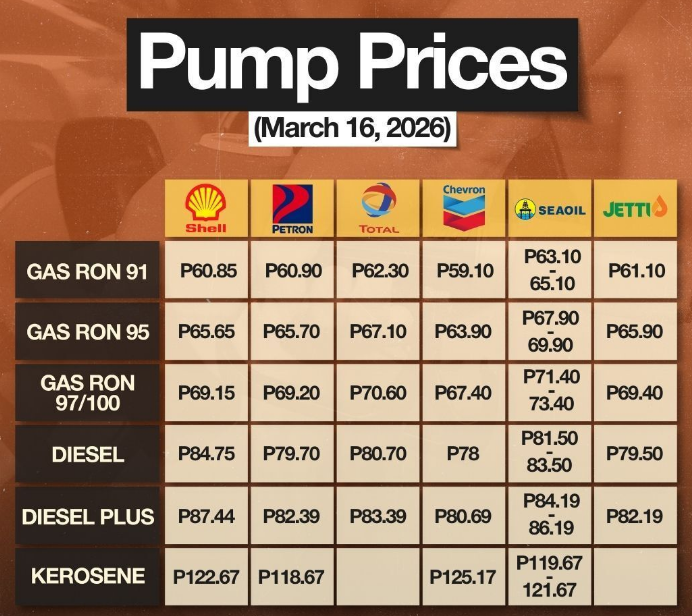
For a family car, that’s hundreds of pesos more per refill. For jeepney drivers, it’s a daily erosion of earnings. Diesel hikes hit public transport hardest, and commuters inevitably share the burden through fare adjustments or reduced service.
Government’s Tightrope Walk
The Marcos administration has rolled out fuel subsidies and floated excise tax cuts to soften the blow. These measures provide temporary relief but don’t solve the structural problem: the Philippines imports nearly all its oil. Unlike Indonesia, which cushions shocks with subsidies, or Malaysia, which has domestic production, the Philippines is exposed directly to global volatility.
The government faces a dilemma: subsidies and tax cuts ease consumer pain but strain fiscal resources. Without them, inflation risks spiraling further.
Stock Market Ripples: Energy, Banks, and Consumers
The oil shock doesn’t stop at the pump—it reverberates through the Philippine Stock Exchange (PSE).
- Energy stocks: Local oil retailers and distributors often see short-term gains as pump prices rise, but margins are squeezed by volatility and public backlash.
- Transport and consumer stocks: Airlines, logistics firms, and retail companies suffer as fuel costs eat into profits. Jollibee, SM, and other consumer-facing giants face higher distribution costs, which eventually trickle down to consumers.
- Banks and financials: Rising inflation pressures the Bangko Sentral ng Pilipinas (BSP) to keep interest rates high. This affects loan growth, mortgage demand, and overall market sentiment.
Investors are caught in a paradox: while some sectors benefit from higher oil prices, the broader market suffers from inflationary pressures and weaker consumer spending.
The Peso and Foreign Investors
Foreign investors watch the peso closely. A slide toward ₱60:$1 makes Philippine assets less attractive, especially when compared to regional peers with stronger currencies or better energy buffers. Outflows from the stock market can accelerate, adding another layer of volatility.
This is where the absurdity of global oil markets becomes most apparent: decisions made in Riyadh or Tehran ripple into Makati trading floors, influencing whether foreign funds stay or flee.
Why Filipinos Feel It More
Filipinos are disproportionately exposed compared to neighbors:
- Limited subsidies mean households absorb shocks directly.
- A weaker peso amplifies import costs.
- Transport and food supply chains are heavily oil-dependent.
The result is a heavier burden on everyday life. A speculative bet on oil futures in London can mean a tricycle driver in Quezon City pays more for fuel tomorrow.
Coping Mechanisms: Households and Investors
For households:
- Fuel efficiency becomes critical—carpooling, route planning, and avoiding unnecessary trips.
- Budget adjustments are inevitable—families must anticipate higher food and transport costs.
- Remittances from overseas Filipinos provide some cushion, as dollar inflows offset peso weakness.
For investors:
- Sector rotation is key—energy and utilities may offer short-term hedges, while consumer and transport stocks face headwinds.
- Currency hedging becomes vital—investors with exposure to peso assets must consider dollar-denominated alternatives.
- Diversification into resilient sectors like tech or healthcare can balance portfolios against oil-driven volatility.
Historical Parallels: Lessons from Past Shocks
The Philippines has seen this movie before:
- 2008 oil shock: Crude prices spiked above $140/barrel, inflation surged, and the peso weakened.
- 2022 Ukraine war: Global supply disruptions sent oil prices soaring, pushing Philippine inflation above 6%.
Each episode reinforced the same lesson: without structural reforms, the Philippines remains vulnerable to external shocks.
The Bigger Picture: Energy Transition and Policy
The absurdity of the oil market lies in its disconnect from everyday reality. Traders speculate, governments maneuver, and conflicts erupt—but the consequences land squarely on Filipino wallets.
The long-term solution is diversification:
- Renewable energy investments to reduce dependence on imported oil.
- Strategic reserves to cushion against sudden spikes.
- Fiscal reforms to create space for subsidies without jeopardizing stability.
Until these measures are in place, every oil shock will hit Pinoy wallets harder than most.
The oil market madness of 2026 is not just about crude prices—it’s about resilience in the face of forces beyond our control. For Filipinos, it’s a reminder that global chaos translates into local pain, whether at the gas pump, in the grocery aisle, or on the stock market ticker.
The narrative is clear: global oil volatility is not just an energy story—it’s a currency story, an inflation story, and a stock market story. And unless the madness subsides, the next chapter will test both Filipino households and investors even more.